EnglishEspañol

The necklace problem: the gift everyone buys and most people get slightly wrong

It is the default present, it looks like one-size, and it is not. The thing that decides whether it gets worn is a measurement you were never given.

Written on a Sunday, looking at the week ahead. We promised the accessory most often bought as a gift and most often got wrong, and it is the necklace.

Not because it is a bad idea — it is one of the better ones. It is because a necklace looks like a one-size object and is not, and the dimension that decides everything is invisible in the box. People know they cannot guess a ring size. Almost nobody thinks the same way about a chain.

We have written separately about what to give and what to avoid, and about how to choose a length for yourself. This is the narrower problem: choosing one for somebody else, without being able to measure them or ask.

As always, materials and mechanics rather than trend reporting.
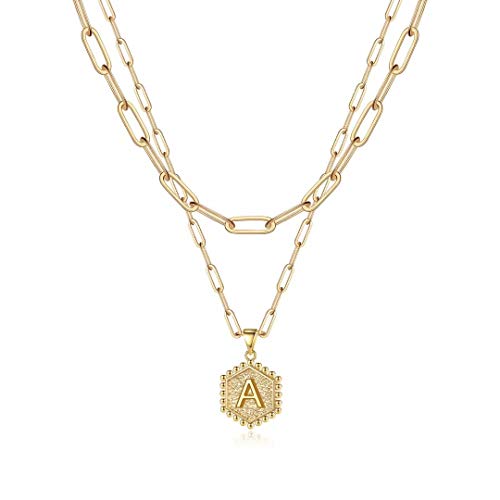
Why it is always a necklace

A necklace is the gift the category keeps producing because it clears every obvious hurdle. It needs no size in the way a ring does, it suits any age, it photographs well in a box, and it exists at every price from ten dollars to a mortgage.

The hurdle it does not clear is length, and that is the one nobody checks. A chain that is two inches shorter than the person is used to sits somewhere unfamiliar on them, feels faintly like it is tightening, and goes in a drawer. A chain two inches longer disappears under a crew neck. Neither is a taste failure — the giver chose well and the object is still wrong.

The second thing nobody checks is whether they already wear one. A person who wears a necklace daily has a length they are used to and a pendant they do not take off. A person who wears none has probably decided that, and a necklace is a suggestion rather than a present. Watch for two weeks before buying; this is the cheapest research available.

Read the full trend →

More on Amazon

As an Amazon Associate we earn from qualifying purchases. Prices shown were captured on the dates given and can change at any time.

Length, when you cannot measure and cannot ask

You can get surprisingly close without a tape measure, and none of it involves height.

Height is the misleading one. Where a chain lands depends on neck length and frame rather than overall height, and two people the same height routinely wear different lengths. Discard that instinct.

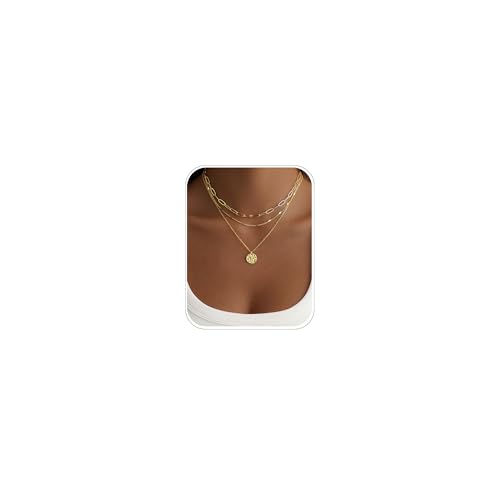
Use a photograph instead. Find a picture of them wearing a necklace and look at where it sits relative to the collarbone — on it, above it, or below. That single observation is worth more than every other guess combined, and most people have supplied the evidence themselves on a phone or a profile.

Failing that, look at their necklines. Someone who lives in crew-neck knitwear and high collars needs length to clear the fabric, because a short chain and a high neckline compete for the same inch and the chain loses. Someone in open collars and V-necks has room for something shorter.

And if you have nothing at all to go on, the standard adult length is the default for a reason: it lands at or just below the collarbone on most people, and it is the length most likely to already match what they own.

Read the full trend →

More on Amazon

As an Amazon Associate we earn from qualifying purchases. Prices shown were captured on the dates given and can change at any time.

The clasp, which nobody thinks about until January

This is the part that gets left out of every gift guide, and it is the reason a correctly chosen necklace still goes unworn.

A clasp has to be operated one-handed, behind the neck, without looking. A small spring ring — the tiny circle with a sprung bar you push with a fingernail — is the cheapest clasp and the hardest to manage. A lobster clasp is bigger, has a lever rather than a nail-sized tab, and is markedly easier. If you are buying for someone with arthritis, reduced grip or simply short nails, this single detail decides whether the necklace is worn or admired.

Magnetic clasps are the easiest of all and come with an honest caveat: they can pull apart under weight or when caught, so they suit a light chain and not a heavy pendant. Some pair a magnet with a safety loop, which is the version to look for.

One more, for anyone with long hair: an open-work or filigree clasp catches and pulls. A smooth closed clasp does not. It is a small thing that becomes a daily irritation.

Read the full trend →

More on Amazon

As an Amazon Associate we earn from qualifying purchases. Prices shown were captured on the dates given and can change at any time.

If in doubt, err long

Here is the rule that makes the whole decision safer, and it is purely practical rather than aesthetic.

Shortening a chain is easy and cheap. Lengthening one is neither. A jeweler shortens by removing links and reattaching the clasp — minutes, and not much money. Lengthening means sourcing chain that matches in gauge, finish and color and joining it invisibly, which is fiddly, more expensive, and often not worth doing on an inexpensive piece. So when you are caught between two lengths, the longer one is the recoverable mistake.

Better still, buy the extender with it. A two-inch extender chain costs very little, clips between the clasp and the loop, and converts one necklace into two lengths. Many chains now include one; if the listing does not say, assume not and add one. It is the most useful few dollars in this entire column, and it quietly removes the risk you have been worrying about.

And the genuine escape hatch: if none of this can be established, buy something sized by information rather than by measurement — an initial, a date, a birthstone. You either have the fact right or you do not, and there is no guessing involved.

Read the full trend →

More on Amazon

As an Amazon Associate we earn from qualifying purchases. Prices shown were captured on the dates given and can change at any time.

Next week: deeper into November, and the accessories that are quietly wrecking your clothes.