Elsa Hosk’s oxblood beret
The beret came back in a colour, not a shape. Oxblood is doing the work that black used to.
Wearing: A night out in New York — A beret in oxblood, worn with a night-out outfit
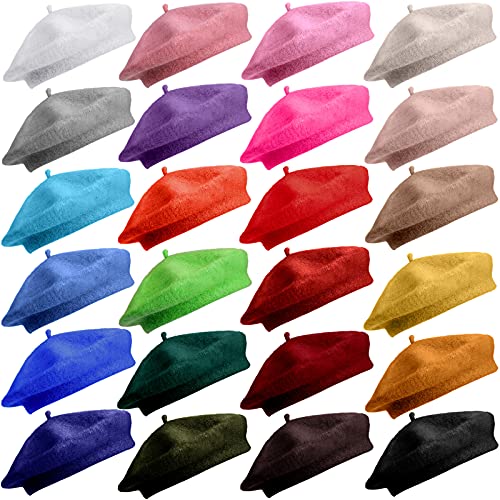
Elsa Hosk wore an oxblood beret on a night out in New York, and the shade is the story. Berets are a fixed form — there is not much you can do to the shape without it stopping being a beret — so the variable that has changed is colour, and the move away from black is part of the broader warm-tone shift that has been running through accessories all year.
Oxblood is a specific and slightly awkward colour to describe: a dark red with brown in it, closer to a conker than to burgundy wine. Its usefulness is that it behaves like a neutral while not being one. It sits with navy, camel, grey, cream and denim as comfortably as black does, but unlike black it registers, because the eye reads it as a colour decision rather than as an absence.
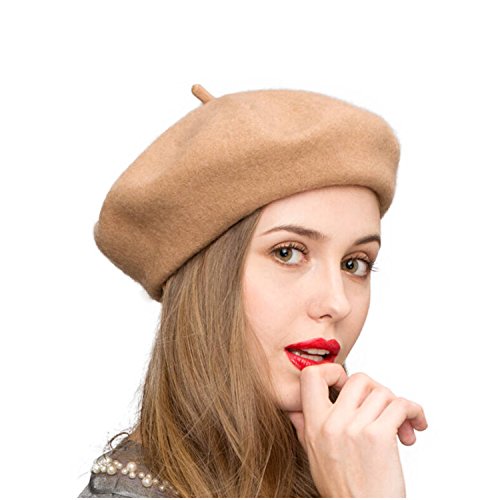
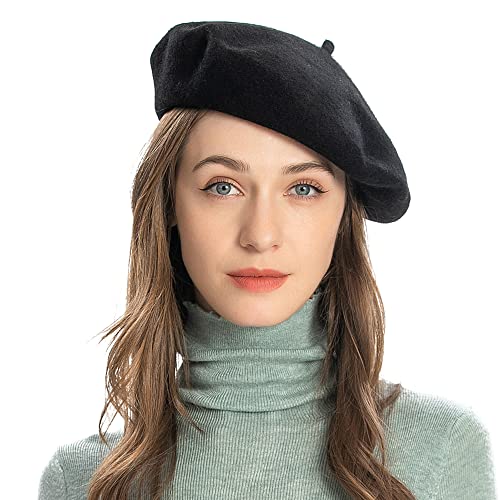
The wearing mechanics are where most people go wrong. A beret is not a hat you put on level. The band sits across the forehead about two fingers above the brows, and the volume gets pushed to one side — usually the opposite side to your parting — so the crown drapes rather than sits. Worn flat and centred it looks like a costume; worn tilted it looks like clothing.
Fibre is worth checking. Wool felt holds the shape and sheds light rain; acrylic goes shiny at the crown within a season.
What transfers
Where a shape is fixed, colour is the only lever, so spend the decision there. An off-black warm neutral — oxblood, chocolate, deep olive — coordinates as widely as black but is read as a choice rather than a default. And for anything felted, check the fibre: wool keeps its shape, acrylic goes shiny.
Sources
- Who What Wear — 5 Unexpected Hat Trends That Will Be Everywhere in Spring 2026 (read Aug 17, 2026)