Accessories in Alaska
193 freezing days, 86 inches of snow, and 6.7 hours of daily sun — the hardest climate in the country.
193 freezing days a year, summers that rarely get extreme. Measured at Anchorage, 5 years of daily observations.
Anchorage freezes on 193 days a year, takes eighty-six inches of snow and averages 6.7 hours of bright sun a day. All three are the most extreme figures in this data set. Alaska is not a harder version of Minnesota; it is a different problem.
Light is the part that surprises people. The annual sunshine average conceals an enormous seasonal swing — near-continuous daylight in June, a few hours in December — and accessories are one of the few practical responses to the dark months. Colour at the face genuinely helps, reflective and polished finishes read where matte ones vanish entirely, and there is a real local tradition of bright accessories precisely because the environment supplies so little colour for half the year.
On the cold: at eighteen days a year at or below 0°F, the Minnesota rules apply and then some. Coverage over thickness, mittens over gloves, nothing metal against skin outdoors, and nothing that requires fine dexterity to fasten.
Alaska is also the state where buying online is most necessary and most difficult — shipping costs and delays are real, and returns are painful. That puts unusual weight on getting specifications right first time: measured sizes, stated linings, known materials.
Zero days above 90°F. There is no summer accessory category beyond sunglasses, which are genuinely needed for glare off snow and water.
What national advice gets wrong here
Being treated as an extreme version of the Midwest. The cold is familiar; the darkness is not, and no national coverage addresses dressing for a winter with four hours of daylight.
Gloves are equipment here, not a finishing touch
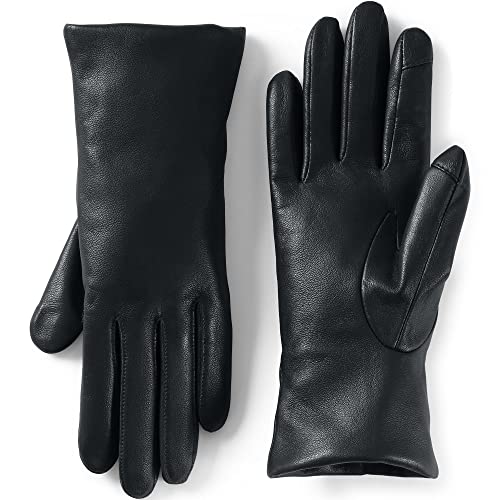
With 193 days below freezing and 18 at or under 0°F, unlined leather is decorative. Look for a wool or cashmere lining stated in the listing, and buy snug — leather stretches about half a size, and a glove with air in the fingertips is a cold glove.
Road salt is the real threat to leather
About 85.7" of snow a year means salted sidewalks, and salt draws moisture out of leather and leaves a white tidemark that sets permanently if it dries in. Wipe a salted bag or boot the same day with a damp cloth, then let it dry away from heat.
Low light changes what reads
6.7 hours of bright sun a day is among the lowest in the country. Matte finishes go flat under overcast light; polished metal, crystal and anything with a bit of shine is what still registers. It is also why colour at the neck does more here than texture does.
Humidity is what will actually ruin things
Summer humidity averages 73%. Suede marks, silk water-spots, leather grows mildew in a closed closet, and plated metal tarnishes faster. Store bags somewhere with air movement rather than sealed in plastic, and treat a protector spray on suede as mandatory rather than optional.
Rain is a routine consideration, not an event
142 days a year see measurable rain. That rules out suede as an everyday material and makes a zip closure worth more than any styling detail — an open tote collects water. Coated canvas and nylon genuinely outperform leather here, which is the reverse of the usual advice.
Worth owning here
| Colour and shine at the face | Four hours of December daylight and 6.7 hours annual average. |
|---|---|
| Mittens and full coverage | Eighteen days at or below 0°F. |
| Get the spec right first time | Returns from Alaska are genuinely painful. |
The numbers
| January low – high | 10°F – 20°F |
|---|---|
| July average high | 67°F |
| Freezing days a year | 193 |
| Days at 90°F or above | 0 |
| Annual snowfall | 85.7" |
| Annual rainfall | 34.1" over 142 wet days |
| Summer humidity | 73% |
| Bright sunshine | 6.7 hours a day |