Accessories in Connecticut
Four genuine seasons and a commute that runs through all of them.
a real winter — 101 freezing days, 15 genuinely hot days. Measured at Hartford, 5 years of daily observations.
Connecticut has the full four-season spread without any of them being extreme — 101 freezing days, but only fifteen above 90°F. That combination is unusual and it makes the state an argument for owning fewer, better things rather than a separate kit per season. A wool scarf, real gloves and a structured bag cover eight months here.
The variable most people underestimate is the commute. A large share of the state travels into New York or Hartford, which means an outfit that has to work walking to a station in February and sitting in a warm office by nine. Accessories are the only part of that outfit you can shed easily, which is why layering the accessory rather than the coat is the local skill: a scarf you can stuff in a bag, a hat that lives in a pocket, gloves that clip together so they do not migrate.
Coastal Connecticut and the northwest hills are genuinely different climates — Litchfield County gets substantially more snow than Hartford does — and the figures below are the Hartford middle. If you are up in the hills, read the Vermont page as well.
What national advice gets wrong here
National coverage treats October as coat season. Here, October still averages highs in the low 60s and the real switch is late November. Buying autumn accessories in September means six weeks of wearing them too early or not at all.
Lined gloves earn their place
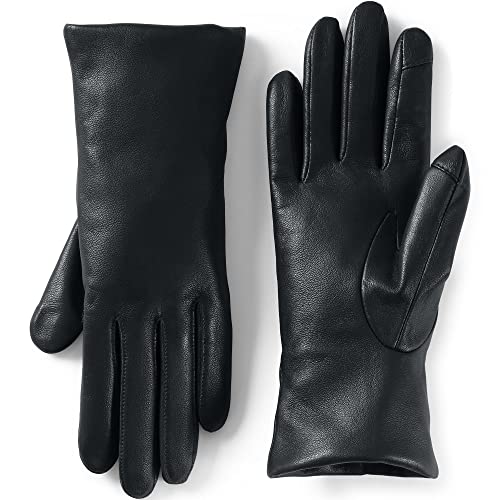
101 freezing days a year is enough that unlined leather will disappoint by January. A thin wool lining costs a few dollars more and is the difference between wearing them and carrying them.
Low light changes what reads
8.4 hours of bright sun a day is among the lowest in the country. Matte finishes go flat under overcast light; polished metal, crystal and anything with a bit of shine is what still registers. It is also why colour at the neck does more here than texture does.
Humidity is what will actually ruin things
Summer humidity averages 73%. Suede marks, silk water-spots, leather grows mildew in a closed closet, and plated metal tarnishes faster. Store bags somewhere with air movement rather than sealed in plastic, and treat a protector spray on suede as mandatory rather than optional.
Worth owning here
| A scarf that packs down | It comes off at the office door and has to go somewhere. |
|---|---|
| Clipped or corded gloves | 101 freezing days and constant on-off is exactly how gloves get lost. |
| One structured bag | Commuting rewards a bag that stands up on a train floor. |
The numbers
| January low – high | 24°F – 40°F |
|---|---|
| July average high | 85°F |
| Freezing days a year | 101 |
| Days at 90°F or above | 15 |
| Annual snowfall | 23.2" |
| Annual rainfall | 49.4" over 123 wet days |
| Summer humidity | 73% |
| Bright sunshine | 8.4 hours a day |