Accessories in Maine
A 116-day freeze, 43 inches of snow, and three genuinely hot days a year.
a real winter — 116 freezing days, summers that rarely get extreme. Measured at Portland, 5 years of daily observations.
Maine is the clearest case in the country for buying winter accessories properly and summer ones barely at all. Portland sees three days a year above 90°F. Three. Meanwhile it freezes on 116 days and takes 43 inches of snow. Almost every dollar of an accessory budget here belongs in wool, lined leather and something that covers your ears.
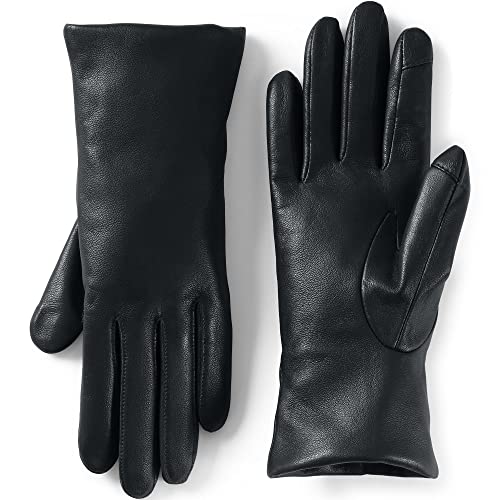
That single-mindedness is liberating rather than limiting. It means one excellent hat instead of four adequate ones, and it means the material questions actually matter: a wool-blend beanie over acrylic, because acrylic pills and holds static; a scarf with real length because you will wrap it three times; gloves with a lining stated in the listing rather than implied by the photograph.
The coastal wind is the part that catches people out. Portland's average daily peak is 11 mph, which does not sound dramatic, but on the water in January it removes anything not fastened down. A hat that stays on matters more here than a hat that photographs well, and those are not always the same hat.
Summer, when it arrives, is short, gorgeous and humid at 78%. That is a silk scarf's worst enemy — worth knowing before you take a good one to the coast.
What national advice gets wrong here
Every autumn the national press runs "transitional dressing" in September. Maine does not transition; it switches. The useful purchase window here is August, when winter stock arrives and nobody is buying it yet.
Lined gloves earn their place
116 freezing days a year is enough that unlined leather will disappoint by January. A thin wool lining costs a few dollars more and is the difference between wearing them and carrying them.
Road salt is the real threat to leather
About 43.6" of snow a year means salted sidewalks, and salt draws moisture out of leather and leaves a white tidemark that sets permanently if it dries in. Wipe a salted bag or boot the same day with a damp cloth, then let it dry away from heat.
Low light changes what reads
8.4 hours of bright sun a day is among the lowest in the country. Matte finishes go flat under overcast light; polished metal, crystal and anything with a bit of shine is what still registers. It is also why colour at the neck does more here than texture does.
Humidity is what will actually ruin things
Summer humidity averages 78%. Suede marks, silk water-spots, leather grows mildew in a closed closet, and plated metal tarnishes faster. Store bags somewhere with air movement rather than sealed in plastic, and treat a protector spray on suede as mandatory rather than optional.
Worth owning here
| A wool-blend beanie that fits close | Coastal wind removes anything loose. |
|---|---|
| Genuinely long scarf | You will wrap it three times, not drape it once. |
| Lined leather gloves | 116 freezing days makes unlined leather decorative. |
The numbers
| January low – high | 21°F – 35°F |
|---|---|
| July average high | 79°F |
| Freezing days a year | 116 |
| Days at 90°F or above | 3 |
| Annual snowfall | 43.6" |
| Annual rainfall | 48.9" over 115 wet days |
| Summer humidity | 78% |
| Bright sunshine | 8.4 hours a day |