Accessories in Maryland
61 inches of rain, a real four-season spread, and the Chesapeake in the middle of it.
a real winter — 64 freezing days, 19 genuinely hot days. Measured at Baltimore, 5 years of daily observations.
Baltimore takes 61 inches of rain across 135 wet days — substantially more than most of the Northeast — while running a genuine four-season calendar with sixty-four freezing days and nineteen above 90°F. Everything in the accessory category gets used here, and the rain means everything gets tested.
The water is the theme. Between the Chesapeake, the rainfall and 73% summer humidity, Maryland is damp in a way that Pennsylvania and Virginia are not quite, and the practical consequences are the usual ones sharpened: a zip closure matters, suede is a gamble, and a bag that sits open on a car seat will get wet at some point.
Maryland also has an unusual concentration of formal and semi-formal occasions for a state its size — Washington's professional overflow, a strong university presence, and a genuine sailing and racing calendar. A small structured bag with a strap covers more of that than any other single purchase.
Crab-season summers are humid and long, and the practical answer is the same across the region: hair up, metal that does not tarnish, and nothing suede until October.
Snow at 10.2 inches is enough to bring salt onto sidewalks but not enough to justify serious winter gear.
What national advice gets wrong here
Being read as a Southern state. Maryland freezes sixty-four days a year — more than Delaware and far more than Virginia — and warm-weather advice leaves people underdressed from December to February.
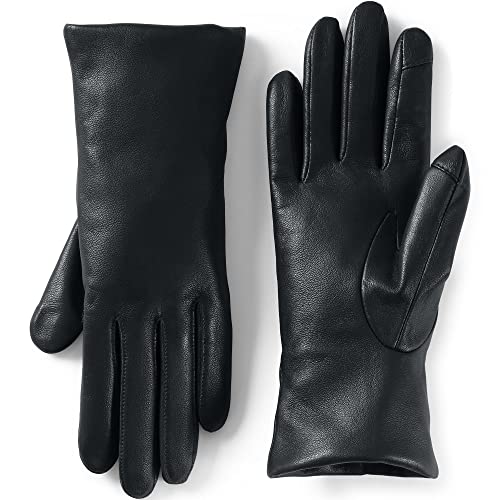
Lined gloves earn their place
64 freezing days a year is enough that unlined leather will disappoint by January. A thin wool lining costs a few dollars more and is the difference between wearing them and carrying them.
Humidity is what will actually ruin things
Summer humidity averages 73%. Suede marks, silk water-spots, leather grows mildew in a closed closet, and plated metal tarnishes faster. Store bags somewhere with air movement rather than sealed in plastic, and treat a protector spray on suede as mandatory rather than optional.
Rain is a routine consideration, not an event
135 days a year see measurable rain. That rules out suede as an everyday material and makes a zip closure worth more than any styling detail — an open tote collects water. Coated canvas and nylon genuinely outperform leather here, which is the reverse of the usual advice.
Worth owning here
| A zip closure | 135 wet days and a lot of car seats. |
|---|---|
| One small structured bag | An unusual number of semi-formal occasions. |
| Lined but not heavy gloves | Sixty-four freezing days, ten inches of snow. |
The numbers
| January low – high | 30°F – 44°F |
|---|---|
| July average high | 87°F |
| Freezing days a year | 64 |
| Days at 90°F or above | 19 |
| Annual snowfall | 10.2" |
| Annual rainfall | 60.9" over 135 wet days |
| Summer humidity | 73% |
| Bright sunshine | 8.8 hours a day |