Accessories in Minnesota
149 freezing days and 23 a year at or below 0°F. The hardest winter in the lower 48.
149 freezing days a year, 13 genuinely hot days. Measured at Minneapolis, 5 years of daily observations.
Minneapolis freezes on 149 days a year and drops to 0°F or below on twenty-three of them. Outside Alaska, this is the most demanding winter in the country, and it is the one state where accessory choices are genuinely a safety matter rather than a comfort one.
At those temperatures the rules change. Exposed skin is the problem, not coolness, which means coverage beats warmth as a criterion: a merino balaclava or a scarf that can cover the lower face outperforms a thicker scarf that cannot. Mittens beat gloves by a wide margin because fingers share heat, and the loss of dexterity is worth it below about 10°F. And anything metal against skin outdoors — earrings, a nose ring, a necklace clasp — conducts heat away fast enough to be genuinely painful.
That last point is worth dwelling on because no national coverage mentions it. In a Minnesota January, small studs and a tucked-in necklace are the practical choice, and large metal hoops are not.
The compensating fact is that Minnesotans are exceptionally good at this and the local retail reflects it. Buying winter accessories in Minnesota gets you better options than ordering the national assortment.
Thirty-six inches of snow, and 67% summer humidity with thirteen hot days — the summer is short, pleasant and genuinely worth a good pair of sunglasses.
What national advice gets wrong here
Everything, honestly. National winter coverage is written for 40°F. At -5°F the fashionable answer and the correct answer separate completely, and this is the state where following the magazine is a bad idea.
Gloves are equipment here, not a finishing touch
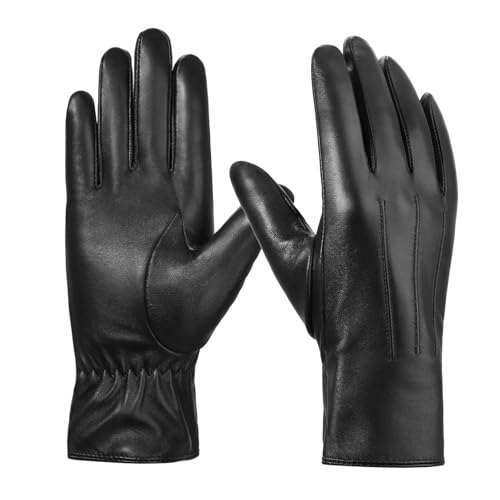
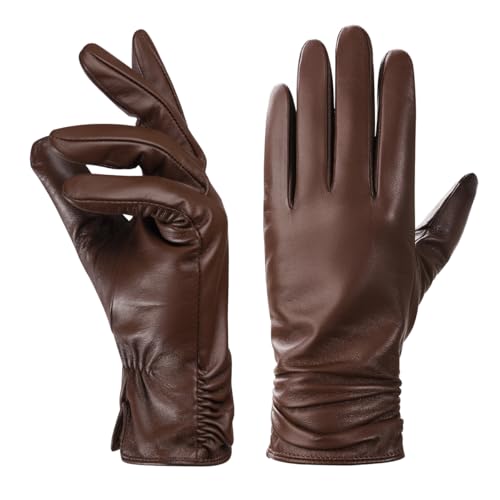
With 149 days below freezing and 23 at or under 0°F, unlined leather is decorative. Look for a wool or cashmere lining stated in the listing, and buy snug — leather stretches about half a size, and a glove with air in the fingertips is a cold glove.
Road salt is the real threat to leather
About 36.5" of snow a year means salted sidewalks, and salt draws moisture out of leather and leaves a white tidemark that sets permanently if it dries in. Wipe a salted bag or boot the same day with a damp cloth, then let it dry away from heat.
Worth owning here
| Mittens, not gloves | Fingers share heat; below 10°F that beats dexterity. |
|---|---|
| Something that covers the lower face | Exposed skin is the actual problem. |
| Small studs in winter | Metal against skin conducts heat away fast enough to hurt. |
The numbers
| January low – high | 9°F – 25°F |
|---|---|
| July average high | 84°F |
| Freezing days a year | 149 |
| Days at 90°F or above | 13 |
| Annual snowfall | 36.5" |
| Annual rainfall | 35.3" over 100 wet days |
| Summer humidity | 67% |
| Bright sunshine | 8.8 hours a day |