Accessories in Montana
142 freezing days, 11 below 0°F, 40 above 90°F, and 43% humidity.
142 freezing days a year, 40 genuinely hot days. Measured at Billings, 5 years of daily observations.
Billings freezes on 142 days, drops to 0°F or below on eleven, and still manages forty days above 90°F. Combined with 43% humidity, that is one of the widest genuine ranges in the country, and Montana asks an accessory wardrobe to cover more ground than almost any other state.
The practical answer is not more things but more extreme things at each end, with very little in the middle. A serious winter kit — lined mittens, something covering the face, a dense hat — and a serious sun kit, with almost nothing mid-weight, because the shoulder seasons are short.
Distance and terrain matter here more than in any state east of the Rockies. A great deal of daily life involves being genuinely far from shelter, and that changes accessories from comfort items into equipment: a hat that stays on, a glove you can drive in, nothing that needs adjusting with cold hands.
Chinook winds are a real phenomenon and produce temperature swings that outpace anything in the eastern states — a 40°F rise in hours. Removable is the entire strategy.
Dry air means powder snow that brushes off, leather that needs conditioning, and static through the winter. Twenty-nine inches of snow behaves very differently from twenty-nine inches in Michigan.
Nine point six hours of daily bright sun with high-plains altitude makes real UV protection a genuine need rather than a style choice.
What national advice gets wrong here
Mid-weight advice. Montana rewards two extremes and punishes the middle — the versatile three-season scarf that works in Indiana is wrong in both directions here.
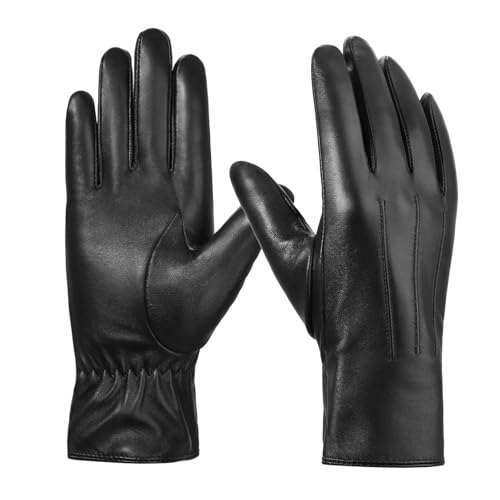
Gloves are equipment here, not a finishing touch
With 142 days below freezing and 11 at or under 0°F, unlined leather is decorative. Look for a wool or cashmere lining stated in the listing, and buy snug — leather stretches about half a size, and a glove with air in the fingertips is a cold glove.
Dry air cracks leather and builds static
Summer humidity averages 43%, which is dry enough that untreated leather stiffens and cracks along fold lines within a couple of years. Condition bags once or twice a year. The same dry air makes fine hair cling to silk and wool — which is a real argument for a claw clip over a loose scarf.
Worth owning here
| Two extremes, no middle | The shoulder seasons are too short to dress for. |
|---|---|
| Gloves you can drive in | Distance from shelter makes accessories equipment. |
| Real UV protection | High plains altitude plus 9.6 hours of daily sun. |
The numbers
| January low – high | 20°F – 39°F |
|---|---|
| July average high | 90°F |
| Freezing days a year | 142 |
| Days at 90°F or above | 40 |
| Annual snowfall | 29.4" |
| Annual rainfall | 14.7" over 71 wet days |
| Summer humidity | 43% |
| Bright sunshine | 9.6 hours a day |