Accessories in Nebraska
117 freezing days, 28 above 90°F, 13.4 mph wind, and 27.5 inches of rain.
a real winter — 117 freezing days, 28 genuinely hot days. Measured at Omaha, 5 years of daily observations.
Nebraska is dry, windy and swings hard: 27.5 inches of rain across eighty-five wet days, 13.4 mph average peak wind, 117 freezing days and twenty-eight above 90°F. It is a plains climate in the full sense, and the plains have their own accessory logic that coastal coverage never addresses.
The organising fact is that there is nothing to break the wind. In a city, buildings create shelter; on open ground they do not, and a 13 mph average means regular days well above that. Anything on your head needs a mechanical reason to stay there — a sizing strip, a chin cord, a knot at the nape — and anything around your neck needs to be tucked rather than draped.
Dry air is the second fact. At 67% summer humidity and much lower in winter, leather cracks and static is constant. The conditioning advice that sounds fussy elsewhere is genuinely load-bearing here, and a wool scarf will cling to fine hair all winter without a fabric spray.
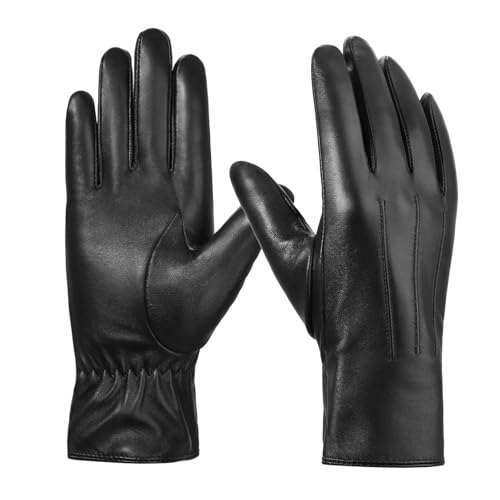
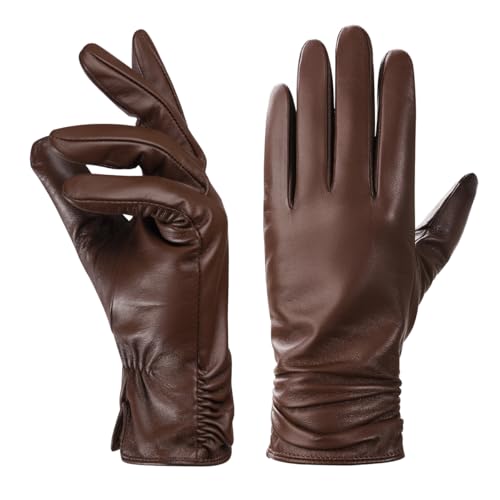
Seven days at or below 0°F makes real gloves a genuine purchase, and the driving-state pattern applies: fast on, fast off, hands free.
Nine point six hours of bright sun a day is high, and the combination of sun, wind and open country makes a brimmed hat more genuinely useful here than in most of the Midwest — provided it fastens.
What national advice gets wrong here
Urban wind advice. Coastal cities have gusty wind between buildings; the plains have sustained wind across open ground, and the accessory that survives one does not necessarily survive the other.
Lined gloves earn their place
117 freezing days a year is enough that unlined leather will disappoint by January. A thin wool lining costs a few dollars more and is the difference between wearing them and carrying them.
Worth owning here
| A hat with a chin cord | Sustained wind across open ground, not gusts between buildings. |
|---|---|
| Leather conditioner | Dry air cracks leather along the folds. |
| Tucked, never draped | 13.4 mph average peak wind. |
The numbers
| January low – high | 17°F – 33°F |
|---|---|
| July average high | 87°F |
| Freezing days a year | 117 |
| Days at 90°F or above | 28 |
| Annual snowfall | 19.2" |
| Annual rainfall | 27.5" over 85 wet days |
| Summer humidity | 67% |
| Bright sunshine | 9.6 hours a day |