Accessories in New Hampshire
121 freezing days, 44 inches of snow, and a strong preference for not making a fuss.
121 freezing days a year, 14 genuinely hot days. Measured at Manchester, 5 years of daily observations.
New Hampshire has the second-hardest winter in New England by freezing days — 121 of them — and 44 inches of snow, and it has a culture that is notably unbothered about fashion. That combination produces a specific and quite pleasant local position: accessories here are bought for function and kept for years, and the ones that survive are the plain, well-made ones.
That is a better basis for buying than most trend advice offers. It points at wool over acrylic, leather over coated fabric, and neutral colours that do not date — and it points away from anything you would be self-conscious wearing to a hardware store, which in this state is most of the maximalist end of the current season.
The temperature swing is the underrated variable. January averages 20°F to 35°F but the state regularly sees both ends of a 40-degree day, and the accessory that handles that is one you can remove without stopping: a scarf rather than a high collar, a hat rather than a hood.
Fourteen days a year above 90°F means summer accessories are a genuinely small category. One pair of sunglasses that fit properly and one packable hat is the honest complete list.
What national advice gets wrong here
The "one statement piece" advice assumes an audience. Much of New Hampshire is driving between places rather than walking among people, and the accessory that gets worn is the one that works in a car — which rules out most wide brims and any bag that needs a lap.
Gloves are equipment here, not a finishing touch
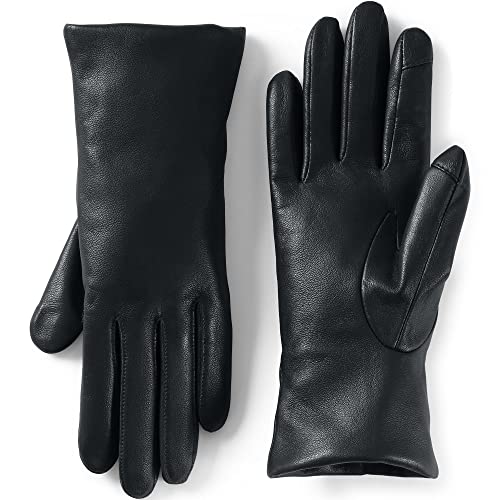
With 121 days below freezing and 3 at or under 0°F, unlined leather is decorative. Look for a wool or cashmere lining stated in the listing, and buy snug — leather stretches about half a size, and a glove with air in the fingertips is a cold glove.
Road salt is the real threat to leather
About 44.4" of snow a year means salted sidewalks, and salt draws moisture out of leather and leaves a white tidemark that sets permanently if it dries in. Wipe a salted bag or boot the same day with a damp cloth, then let it dry away from heat.
Low light changes what reads
8.4 hours of bright sun a day is among the lowest in the country. Matte finishes go flat under overcast light; polished metal, crystal and anything with a bit of shine is what still registers. It is also why colour at the neck does more here than texture does.
Humidity is what will actually ruin things
Summer humidity averages 72%. Suede marks, silk water-spots, leather grows mildew in a closed closet, and plated metal tarnishes faster. Store bags somewhere with air movement rather than sealed in plastic, and treat a protector spray on suede as mandatory rather than optional.
Worth owning here
| Wool, not acrylic | Acrylic pills in a season and builds static in dry cold. |
|---|---|
| A scarf you can remove without stopping | 40-degree swings inside a single day. |
| Sunglasses that actually fit | Fourteen hot days means one pair, chosen properly. |
The numbers
| January low – high | 20°F – 35°F |
|---|---|
| July average high | 83°F |
| Freezing days a year | 121 |
| Days at 90°F or above | 14 |
| Annual snowfall | 44.4" |
| Annual rainfall | 46.9" over 120 wet days |
| Summer humidity | 72% |
| Bright sunshine | 8.4 hours a day |