Accessories in New Mexico
91 freezing days, 71 above 90°F, 33% humidity, and a genuine indigenous silver tradition.
a real winter — 91 freezing days, 71 days above 90°F. Measured at Albuquerque, 5 years of daily observations.
Albuquerque runs ninety-one freezing days and seventy-one above 90°F at 33% humidity and 5,300 feet. It is high desert: hot days, cold nights, thin dry air and an enormous daily temperature swing that makes a removable layer the whole strategy.
New Mexico is also the centre of Navajo, Zuni and Hopi silversmithing, and that deserves stating plainly rather than as decoration. If you want authentic Native American turquoise and silver work, this is where to buy it — from the artists, from cooperatives, or from established dealers who will name the maker and their tribal affiliation on the receipt. Under the Indian Arts and Crafts Act it is illegal to market a piece as Native American unless it was made by an enrolled member of a recognised tribe, and "Southwestern style" or "Navajo-inspired" are the wordings that tell you it is not.
That matters more here than anywhere because the imitation market is concentrated in exactly the same places as the real one. Buying well in New Mexico means asking direct questions, and the answer being easy to give is itself the signal.
At 5,300 feet the UV load is high and the air is dry enough to crack leather and split wood. Nine freezing nights notwithstanding, the summer sun is the thing to protect against.
What national advice gets wrong here
Treating turquoise as a trend material. In New Mexico it is a living craft with legal protections, and the "Southwestern-style" pieces sold nationally are imitations of work being made by named artists a few miles from where they are sold.
Lined gloves earn their place
91 freezing days a year is enough that unlined leather will disappoint by January. A thin wool lining costs a few dollars more and is the difference between wearing them and carrying them.
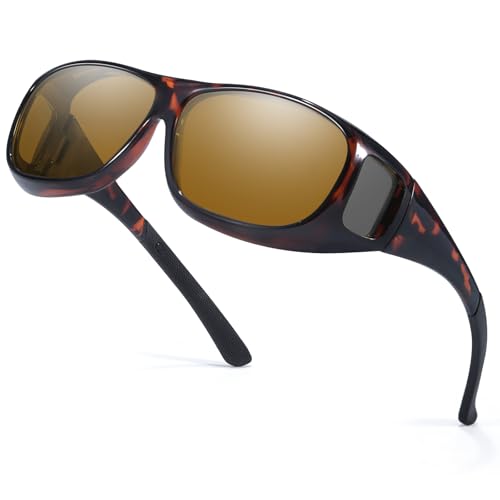
Sunglasses are equipment, not an accessory
10.9 hours of bright sun a day, annual average. Check the listing says UV400 — a dark lens with no UV filter opens your pupils and lets in more ultraviolet than bare eyes. A brim does more than sunscreen at the hairline, which is where nobody applies enough.
Dry air cracks leather and builds static
Summer humidity averages 33%, which is dry enough that untreated leather stiffens and cracks along fold lines within a couple of years. Condition bags once or twice a year. The same dry air makes fine hair cling to silk and wool — which is a real argument for a claw clip over a loose scarf.
Worth owning here
| Buy authentic, and ask | The maker’s name and affiliation should be easy to give. |
|---|---|
| A removable layer | High desert swings hard between day and night. |
| Conditioner for leather and wood | 33% humidity splits both. |
The numbers
| January low – high | 27°F – 46°F |
|---|---|
| July average high | 94°F |
| Freezing days a year | 91 |
| Days at 90°F or above | 71 |
| Annual snowfall | 14.1" |
| Annual rainfall | 8.9" over 46 wet days |
| Summer humidity | 33% |
| Bright sunshine | 10.9 hours a day |