Accessories in New York
The city most accessory advice is secretly written about — and it still gets the winter wrong.
a real winter — 73 freezing days, 14 genuinely hot days. Measured at New York City, 5 years of daily observations.
Almost every national trend piece is written from New York, which means New Yorkers get advice calibrated to their own climate and everyone else gets it by accident. The odd result is that the advice is still frequently wrong here, because it is written to a fashion calendar rather than a weather one: fall accessories arrive in August editorial and the city does not reliably freeze until December.
What genuinely defines dressing here is that everything is carried and everything is walked. Seventy-three freezing days, 13.4 mph average peak wind — the highest in the region — and the entire day conducted on foot and underground. The accessory consequences are specific: crossbody over shoulder, because subway stairs and crowds; a bag that closes, because crowded platforms; and a scarf that can come off in a hot carriage without being carried in your hands.
The temperature range inside a single New York day in winter is larger than almost anywhere — a freezing street, an over-heated subway car, an office at 72°F. That argues for accessories as the thermostat, since they are the only layer you can remove standing up.
Sixteen inches of snow a year is modest, but the slush and salt on the sidewalks is not, and pale suede is a one-season material here.
What national advice gets wrong here
That the fashion calendar is the weather calendar. Editorial moves to autumn in August and the city stays in the 80s through September. Buying on the magazine schedule means six weeks of owning things you cannot wear.
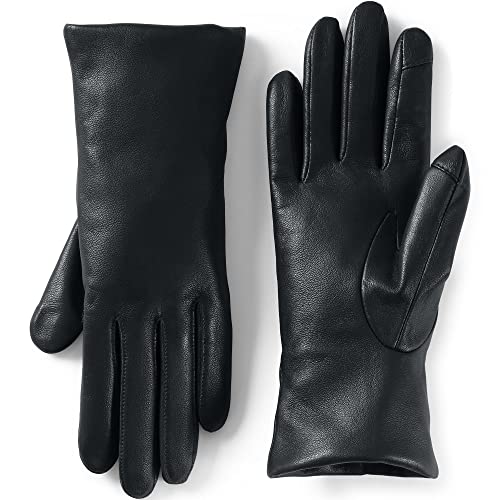
Lined gloves earn their place
73 freezing days a year is enough that unlined leather will disappoint by January. A thin wool lining costs a few dollars more and is the difference between wearing them and carrying them.
Humidity is what will actually ruin things
Summer humidity averages 72%. Suede marks, silk water-spots, leather grows mildew in a closed closet, and plated metal tarnishes faster. Store bags somewhere with air movement rather than sealed in plastic, and treat a protector spray on suede as mandatory rather than optional.
Worth owning here
| Crossbody that closes | Stairs, crowds and platforms all argue for it. |
|---|---|
| A scarf, not a hood | Accessories are the thermostat between street and subway. |
| Dark, wipeable leather | Slush and salt are harder on a bag than snow is. |
The numbers
| January low – high | 28°F – 42°F |
|---|---|
| July average high | 86°F |
| Freezing days a year | 73 |
| Days at 90°F or above | 14 |
| Annual snowfall | 16.8" |
| Annual rainfall | 53.9" over 125 wet days |
| Summer humidity | 72% |
| Bright sunshine | 8.7 hours a day |