Accessories in Ohio
130 wet days, 8.5 hours of sun, and a winter that is long rather than severe.
a real winter — 91 freezing days, summers that rarely get extreme. Measured at Columbus, 5 years of daily observations.
Columbus takes 130 wet days a year — the most in the Midwest — with 8.5 hours of bright sun a day and ninety-one freezing days. Ohio's winter is not severe by regional standards; it is long, grey and damp, and that is a different problem requiring different answers.
Grey is the operative word. Under persistent overcast, matte and antiqued finishes go flat and effectively disappear, which is why so many people here own beautiful brushed-metal pieces they never quite feel are working. Polished metal, crystal, pearl and clear colour all still read. If a state ever justified buying the shiny version, it is this one.
The damp rather than the cold is what damages things. At 130 wet days, suede is a poor everyday material and leather needs to dry properly rather than going straight back into a closet. Seventy percent summer humidity is enough to tarnish plate.
Ohio is a driving state with three mid-sized cities rather than one dominant one, and the practical accessory answer across all three is the same: things that survive a car, close properly, and do not need managing.
Ten days above 90°F. Summer is mild, and the sun that does appear is worth a decent pair of sunglasses precisely because it is rationed.
What national advice gets wrong here
Cold-weather framing. Ohio's winter problem is grey and wet, not frigid — the useful purchases are colour, shine and water resistance, not thermal performance.
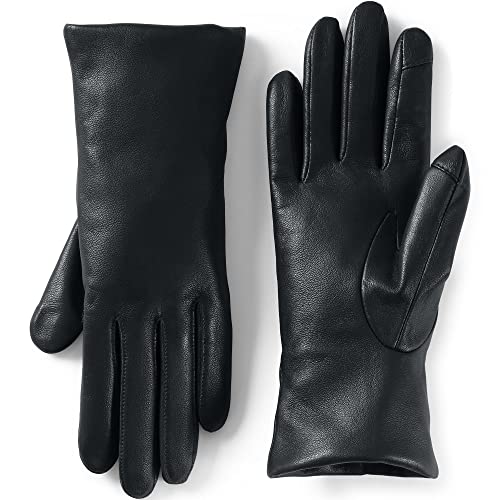
Lined gloves earn their place
91 freezing days a year is enough that unlined leather will disappoint by January. A thin wool lining costs a few dollars more and is the difference between wearing them and carrying them.
Humidity is what will actually ruin things
Summer humidity averages 70%. Suede marks, silk water-spots, leather grows mildew in a closed closet, and plated metal tarnishes faster. Store bags somewhere with air movement rather than sealed in plastic, and treat a protector spray on suede as mandatory rather than optional.
Rain is a routine consideration, not an event
130 days a year see measurable rain. That rules out suede as an everyday material and makes a zip closure worth more than any styling detail — an open tote collects water. Coated canvas and nylon genuinely outperform leather here, which is the reverse of the usual advice.
Worth owning here
| The polished version | The greyest state in the Midwest — matte disappears. |
|---|---|
| Colour at the neck | Under overcast, colour reads where texture does not. |
| Water resistance over warmth | 130 wet days, ninety-one freezing ones. |
The numbers
| January low – high | 26°F – 39°F |
|---|---|
| July average high | 85°F |
| Freezing days a year | 91 |
| Days at 90°F or above | 10 |
| Annual snowfall | 16" |
| Annual rainfall | 44.5" over 130 wet days |
| Summer humidity | 70% |
| Bright sunshine | 8.5 hours a day |