Accessories in Rhode Island
Small, coastal, and wetter than its neighbours — 127 wet days a year.
a real winter — 98 freezing days, summers that rarely get extreme. Measured at Providence, 5 years of daily observations.
Rhode Island's distinguishing figure is moisture. At 52 inches of rain across 127 wet days it is wetter than Massachusetts and Connecticut, and with 73% summer humidity and a coastline everywhere, the state is essentially one long argument against suede.
That sounds like a limitation and is actually a useful filter. It pushes you toward coated canvas, pebbled leather and nylon for everyday bags, all of which are cheaper than the suede alternative and none of which you will spend the winter protecting. It also makes a zip closure the single most valuable feature on a bag here.
The coastal-formal thing is real and worth dressing for. Newport and the sailing culture around it produce more genuinely dressy summer occasions than a state this size should have, and the accessory that covers them is not a heavy evening piece but a good silk scarf and pearls that can go from a boat to a dinner. That is an unusual brief and Rhode Island is one of the few places it genuinely applies.
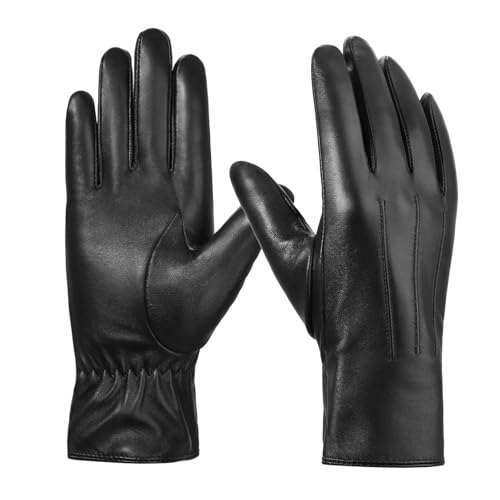
Ninety-eight freezing days means winter is real but not punishing — closer to Boston than to Vermont, and short enough that one good pair of gloves and one hat genuinely covers it rather than needing a rotation.
The state's size is its own argument. Nowhere in Rhode Island is far from salt water, so the corrosion problem that other coastal states can confine to a beach trip applies statewide and year-round. Stainless steel earrings for everyday wear will outlast plated ones by years here, and that is a two-dollar decision rather than a design one.
What national advice gets wrong here
Coastal states get beach-holiday accessory advice. Rhode Island is coastal and cold — the useful summer purchases here are for wind and salt, not for heat.
Lined gloves earn their place
98 freezing days a year is enough that unlined leather will disappoint by January. A thin wool lining costs a few dollars more and is the difference between wearing them and carrying them.
Low light changes what reads
8.4 hours of bright sun a day is among the lowest in the country. Matte finishes go flat under overcast light; polished metal, crystal and anything with a bit of shine is what still registers. It is also why colour at the neck does more here than texture does.
Humidity is what will actually ruin things
Summer humidity averages 73%. Suede marks, silk water-spots, leather grows mildew in a closed closet, and plated metal tarnishes faster. Store bags somewhere with air movement rather than sealed in plastic, and treat a protector spray on suede as mandatory rather than optional.
Worth owning here
| Anything but suede | 127 wet days and coastal damp everywhere. |
|---|---|
| A zip closure | The most valuable feature on a bag in a wet state. |
| Pearls that can go from a boat to a dinner | An unusual number of dressy coastal occasions. |
The numbers
| January low – high | 25°F – 40°F |
|---|---|
| July average high | 84°F |
| Freezing days a year | 98 |
| Days at 90°F or above | 10 |
| Annual snowfall | 24.6" |
| Annual rainfall | 52.2" over 127 wet days |
| Summer humidity | 73% |
| Bright sunshine | 8.4 hours a day |