Accessories in South Dakota
146 freezing days, 74 wet days — the driest state in the Midwest — and 14.5 mph wind.
146 freezing days a year, 17 genuinely hot days. Measured at Sioux Falls, 5 years of daily observations.
Sioux Falls sees just seventy-four wet days a year, the fewest in the Midwest, alongside 146 freezing days and 14.5 mph average peak wind. Cold, dry and windy is the profile, and it is closer to Wyoming than to Ohio.
Very dry air is the material story. Leather cracks, static is constant through winter, and anything wool will cling to fine hair from November onward. The countermeasures are cheap and worth doing: condition leather annually, keep a fabric spray for scarves, and prefer a claw clip to a silk scarf in the cold months because silk and static are a bad pairing.
Dry also means the snow is powder — 26 inches of it — which brushes off rather than soaking in, so knitwear performs better here than in the lake-effect states and a chunky scarf is a reasonable choice rather than a sponge.
Seventeen days above 90°F and 9.4 hours of bright sun a day means summer sun protection is a real category despite the short season, and the open landscape offers no shade to fall back on.
Fifteen days at or below 0°F puts South Dakota firmly in the territory where mittens beat gloves and where metal against skin outdoors is a mistake rather than a style choice.
The driving-and-distance pattern is stronger here than almost anywhere: the accessory has to work getting in and out of a vehicle repeatedly, in wind.
What national advice gets wrong here
Damp-cold advice. Most winter accessory writing assumes wet cold; South Dakota is dry cold, which changes which materials work and makes the static problem far more prominent than the soaking one.
Gloves are equipment here, not a finishing touch
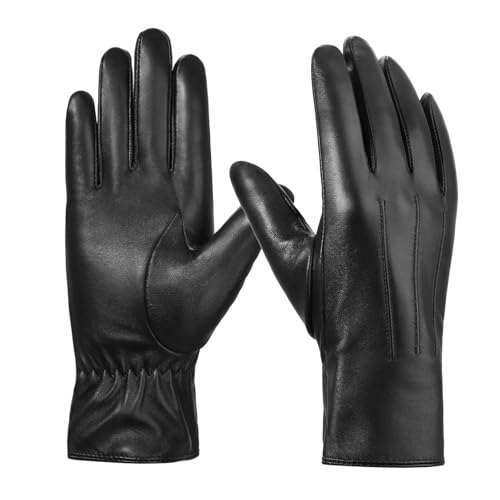
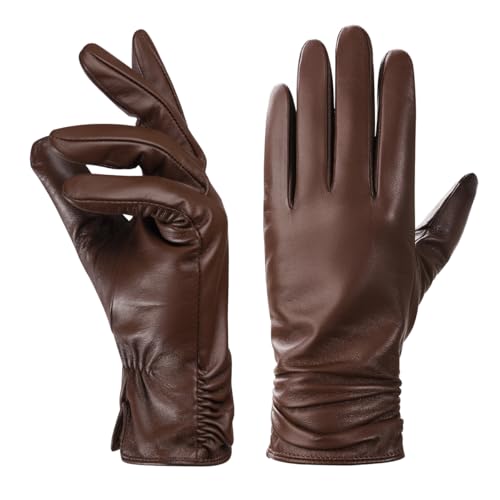
With 146 days below freezing and 15 at or under 0°F, unlined leather is decorative. Look for a wool or cashmere lining stated in the listing, and buy snug — leather stretches about half a size, and a glove with air in the fingertips is a cold glove.
Wind decides what stays on your head
Average daily peak wind is 14.5 mph. A hat without a snug band or an inner sizing strip will leave, and a lightweight silk scarf tied loosely will not survive a parking lot. This is a bandana-knotted-at-the-nape climate rather than a draped-scarf one.
Worth owning here
| Mittens for the coldest weeks | Fifteen days at or below 0°F. |
|---|---|
| Chunky knit works here | Powder snow, not wet — it brushes off. |
| Fabric spray for static | The driest state in the Midwest. |
The numbers
| January low – high | 12°F – 26°F |
|---|---|
| July average high | 84°F |
| Freezing days a year | 146 |
| Days at 90°F or above | 17 |
| Annual snowfall | 26.2" |
| Annual rainfall | 24.5" over 74 wet days |
| Summer humidity | 66% |
| Bright sunshine | 9.4 hours a day |