Accessories in Vermont
124 freezing days, 49 inches of snow, and the least sun in the Northeast.
124 freezing days a year, summers that rarely get extreme. Measured at Burlington, 5 years of daily observations.
Vermont is the Northeast's hardest winter on nearly every measure in this set — 124 freezing days, 49 inches of snow, and 8.1 hours of bright sun a day, the lowest in the region. It is also, culturally, the state least interested in being told what to wear, and those two facts produce a coherent local answer: buy the warm thing, buy it well made, wear it for a decade.
The low light is the part worth thinking about, because it changes what actually reads. Under persistent overcast, matte finishes go flat and disappear — a brushed pewter cuff that looks wonderful in a shop under spotlights is nearly invisible on a grey Burlington afternoon. Polished metal, crystal, and colour are what still register. This is the strongest case in the country for a brightly coloured scarf as the single accessory that does the most work.
Forty-nine inches of snow means real boots, and real boots mean the ankle is covered from November to April — so the sock and tights advice that runs every autumn is largely irrelevant here for half the year.
Five days above 90°F. The summer accessory category is a pair of sunglasses.
What national advice gets wrong here
Low-light states get the same "texture over colour" advice as everywhere else. It is backwards here: under 8.1 hours of daily sun, texture vanishes and colour is what survives.
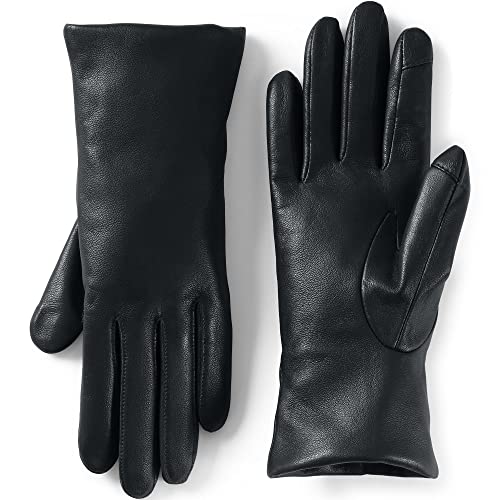
Gloves are equipment here, not a finishing touch
With 124 days below freezing and 8 at or under 0°F, unlined leather is decorative. Look for a wool or cashmere lining stated in the listing, and buy snug — leather stretches about half a size, and a glove with air in the fingertips is a cold glove.
Road salt is the real threat to leather
About 49.3" of snow a year means salted sidewalks, and salt draws moisture out of leather and leaves a white tidemark that sets permanently if it dries in. Wipe a salted bag or boot the same day with a damp cloth, then let it dry away from heat.
Low light changes what reads
8.1 hours of bright sun a day is among the lowest in the country. Matte finishes go flat under overcast light; polished metal, crystal and anything with a bit of shine is what still registers. It is also why colour at the neck does more here than texture does.
Humidity is what will actually ruin things
Summer humidity averages 74%. Suede marks, silk water-spots, leather grows mildew in a closed closet, and plated metal tarnishes faster. Store bags somewhere with air movement rather than sealed in plastic, and treat a protector spray on suede as mandatory rather than optional.
Rain is a routine consideration, not an event
142 days a year see measurable rain. That rules out suede as an everyday material and makes a zip closure worth more than any styling detail — an open tote collects water. Coated canvas and nylon genuinely outperform leather here, which is the reverse of the usual advice.
Worth owning here
| Colour at the neck | Under persistent overcast, colour reads and texture does not. |
|---|---|
| Polished over matte metal | Matte finishes go flat in low light. |
| One very good hat | 124 freezing days rewards buying once. |
The numbers
| January low – high | 17°F – 30°F |
|---|---|
| July average high | 80°F |
| Freezing days a year | 124 |
| Days at 90°F or above | 5 |
| Annual snowfall | 49.3" |
| Annual rainfall | 45.2" over 142 wet days |
| Summer humidity | 74% |
| Bright sunshine | 8.1 hours a day |