Accessories in West Virginia
140 wet days, 8.5 hours of sun, and the lowest wind in the Southeast.
a real winter — 71 freezing days, 15 genuinely hot days. Measured at Charleston, 5 years of daily observations.
West Virginia is the outlier of this region on nearly every measure. It has the fewest hours of bright sun in the Southeast at 8.5 a day, the lowest wind at 9.4 mph, seventy-one freezing days — more than any other state here — and 140 wet days. In accessory terms it behaves far more like Pennsylvania or Ohio than like Georgia.
The low light is the part worth acting on, because it changes what actually shows. Under persistent overcast, matte and oxidised finishes disappear while polished metal, crystal and clear colour still read. If you have ever bought a beautiful brushed-finish piece and found it looked like nothing when you wore it, this is why.
The low wind is a genuine advantage and almost nobody frames it that way: at 9.4 mph, wide brims, long scarves and loose drapes all work here in a way they do not in coastal Virginia or the plains. This is one of the best states in the country for a big hat.
Terrain matters more than usual. A lot of daily life involves steps, slopes and uneven ground, which argues consistently for a crossbody over anything hand-carried, and for both hands free.
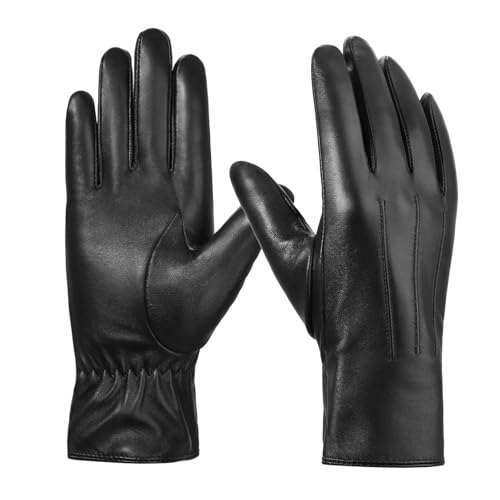
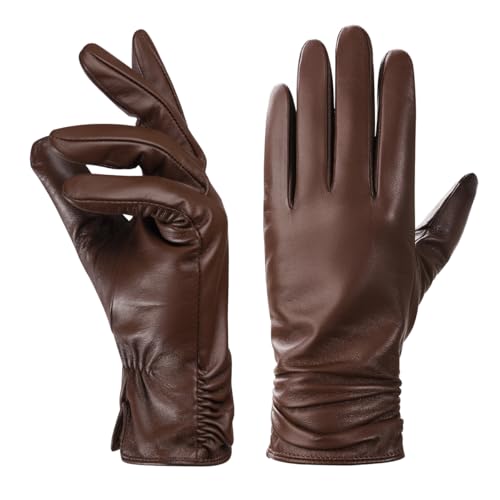
Fourteen inches of snow and seventy-one freezing days makes a proper lined glove a real purchase, unlike almost everywhere else in this region.
What national advice gets wrong here
Being grouped with the Deep South. West Virginia has more freezing days than Maryland, less sun than Vermont, and a genuine need for winter accessories that Southern-region advice never mentions.
Lined gloves earn their place
71 freezing days a year is enough that unlined leather will disappoint by January. A thin wool lining costs a few dollars more and is the difference between wearing them and carrying them.
Humidity is what will actually ruin things
Summer humidity averages 75%. Suede marks, silk water-spots, leather grows mildew in a closed closet, and plated metal tarnishes faster. Store bags somewhere with air movement rather than sealed in plastic, and treat a protector spray on suede as mandatory rather than optional.
Rain is a routine consideration, not an event
140 days a year see measurable rain. That rules out suede as an everyday material and makes a zip closure worth more than any styling detail — an open tote collects water. Coated canvas and nylon genuinely outperform leather here, which is the reverse of the usual advice.
Worth owning here
| Polished over matte | The lowest sun in the region makes matte finishes vanish. |
|---|---|
| A big hat | At 9.4 mph, one of the calmest states — wide brims actually work. |
| Lined gloves | Seventy-one freezing days, the most in the Southeast. |
The numbers
| January low – high | 29°F – 44°F |
|---|---|
| July average high | 86°F |
| Freezing days a year | 71 |
| Days at 90°F or above | 15 |
| Annual snowfall | 13.8" |
| Annual rainfall | 49.5" over 140 wet days |
| Summer humidity | 75% |
| Bright sunshine | 8.5 hours a day |