Accessories in Wisconsin
120 freezing days, 35 inches of snow, and Lake Michigan making it worse than the numbers look.
a real winter — 120 freezing days, summers that rarely get extreme. Measured at Milwaukee, 5 years of daily observations.
Milwaukee freezes on 120 days and takes thirty-five inches of snow, with 13.7 mph average peak wind coming across the lake. The lake is the thing that makes Wisconsin harder than the raw temperatures suggest — it drives wet, heavy snow and it puts a damp edge on cold that dry-climate figures never capture.
Wet cold demands different materials from dry cold, and this is the practical heart of dressing here. Loose chunky knits absorb wet snow and become cold weight; tightly woven wool, treated wool and anything with some water resistance perform far better. The same logic applies to hats: a dense knit beanie beats a loose slouchy one, and a lined one beats both.
Seventy percent summer humidity is moderate, but the winter damp is what damages accessories — leather that goes from wet to a warm closet grows mildew even in a cold state, which surprises people who associate mildew with the South.
Wisconsin's outdoor culture runs year-round, and the accessory question is often about function at a tailgate or on a lake rather than in an office. That genuinely favours the practical end: fastened, covered, hands free.
Ten days above 90°F. Summer accessories here are a pair of sunglasses and something for your hair on a boat.
What national advice gets wrong here
Assuming cold states are dry states. Wisconsin is wet cold, and the fluffy knit that works beautifully in Denver becomes a soaked weight around your neck in Milwaukee.
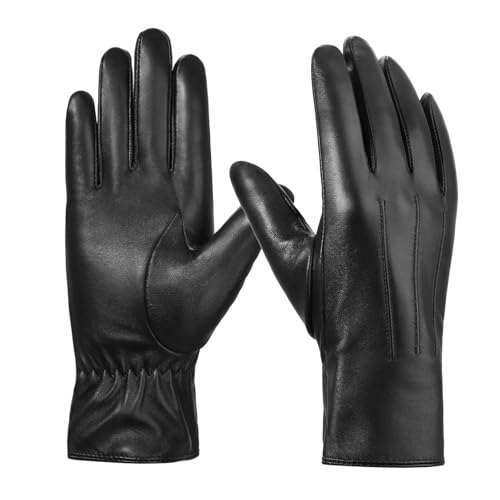
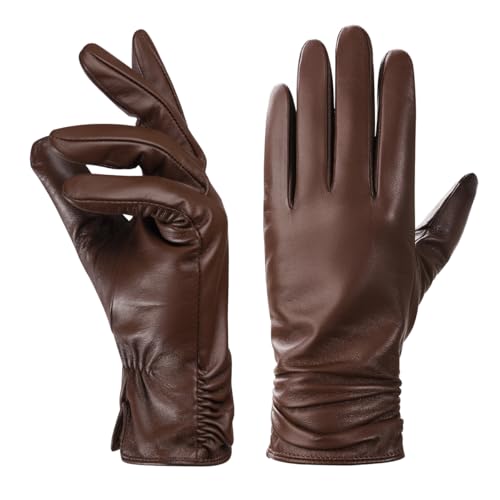
Lined gloves earn their place
120 freezing days a year is enough that unlined leather will disappoint by January. A thin wool lining costs a few dollars more and is the difference between wearing them and carrying them.
Road salt is the real threat to leather
About 35.1" of snow a year means salted sidewalks, and salt draws moisture out of leather and leaves a white tidemark that sets permanently if it dries in. Wipe a salted bag or boot the same day with a damp cloth, then let it dry away from heat.
Humidity is what will actually ruin things
Summer humidity averages 70%. Suede marks, silk water-spots, leather grows mildew in a closed closet, and plated metal tarnishes faster. Store bags somewhere with air movement rather than sealed in plastic, and treat a protector spray on suede as mandatory rather than optional.
Worth owning here
| Dense knit, not slouchy | Wet lake snow soaks into loose weaves. |
|---|---|
| Dry leather before storing | Mildew happens in cold states too. |
| Something for hair on the water | A year-round outdoor culture on lakes. |
The numbers
| January low – high | 19°F – 32°F |
|---|---|
| July average high | 81°F |
| Freezing days a year | 120 |
| Days at 90°F or above | 10 |
| Annual snowfall | 35.1" |
| Annual rainfall | 36.6" over 109 wet days |
| Summer humidity | 70% |
| Bright sunshine | 8.6 hours a day |