Gabrielle “Coco” Chanel
She made fake jewellery respectable, which is the single most consequential accessory decision of the last century.
The signature: Costume pearls worn beside real ones
Before the 1920s, costume jewellery carried a specific social meaning: it was what you wore if you could not afford the real thing, and everyone understood that. Chanel demolished the distinction, and almost every piece of jewellery sold on this site exists downstream of that.
Her method was not to argue that fake was as good as real. It was to wear them together, in quantity, so that the question became unanswerable and therefore uninteresting. Long ropes of glass pearls layered over simple dark clothes, mixed with genuine stones, worn in the daytime — the effect was unmistakably deliberate, which is what removed the apology from it.
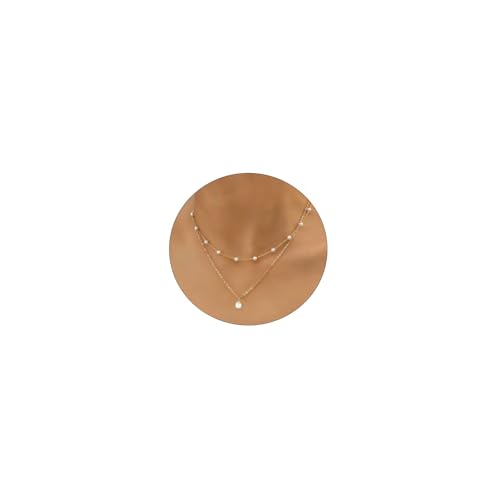
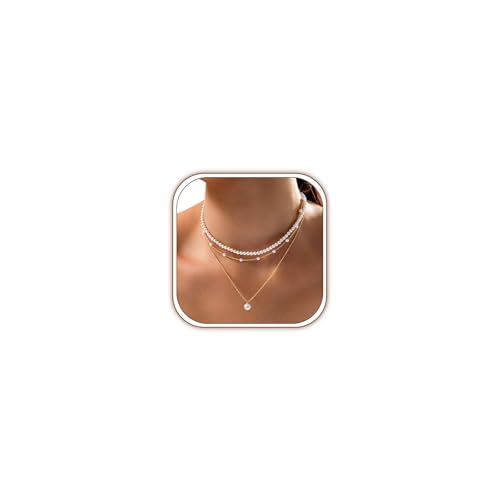
Two structural ideas came out of that and both are still doing work. The first is layering itself: multiple strands at different lengths as a single composition rather than one necklace as a single decision. The second is that pearls do not require an occasion, which sounds obvious now and was genuinely new.
It is worth being clear about what is being credited here. Chanel did not invent faux pearls or costume jewellery; she changed what wearing them meant. That is a smaller technical claim and a much larger cultural one.
What transfers
What a piece is made of matters far less than whether you are wearing it apologetically. Quantity and confidence read as intent; a single hesitant piece reads as a substitute. This is why the site keeps saying to buy the bolder version of the cheap thing rather than the timid version of it.
Sources
- Sotheby’s — Chanel Jewelry: Considered Radical in the 1920s, Modern Collectible Today (read Aug 16, 2026)
- Sotheby’s — The Chanel Necklace: Cascades of Pearls and Beyond (read Aug 16, 2026)