Knitwear for your head and neck
Beanies and heavy knit scarves shown as fashion rather than as weather-proofing.
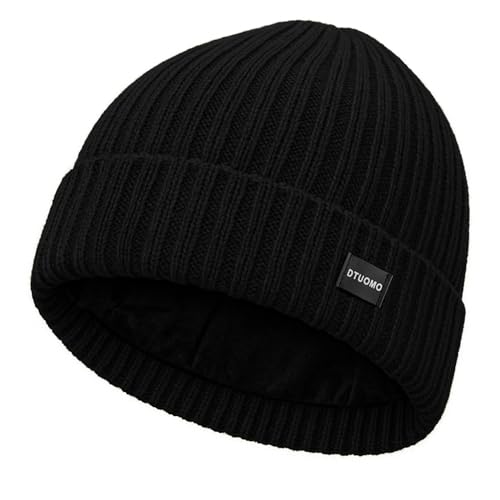
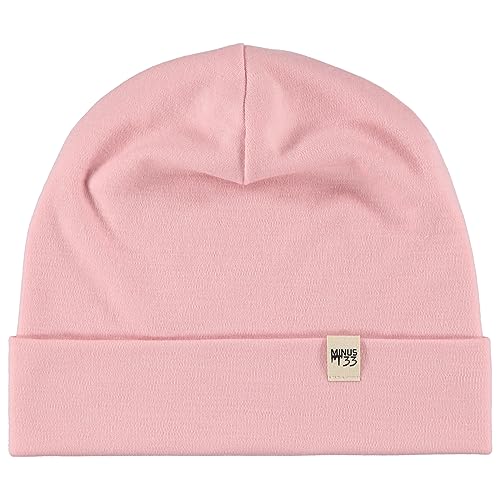
The distinction between a beanie you own because it is cold and a beanie you own because it looks good comes down to about three inches of fabric. A short, fitted beanie that stops above the ears is a fashion object. A long one slouching four inches past the crown is a practical object, and it is what most people default to buying.
Fit at the forehead is the second variable. The current shape sits at the hairline or just above it, not pulled down to the eyebrows, which means it frames the face rather than shortening it. Rolled brim or raw edge both work; a deep double-fold cuff adds bulk exactly where you do not want it.
On scarves, the season is oversized and heavy — real width, real length, wrapped several times rather than draped once. A thin scarf looks apologetic next to this year's coats. The one to own is a solid color in a substantial knit, because pattern in a heavy scarf competes with the coat it is worn over and there is a lot of surface area involved.
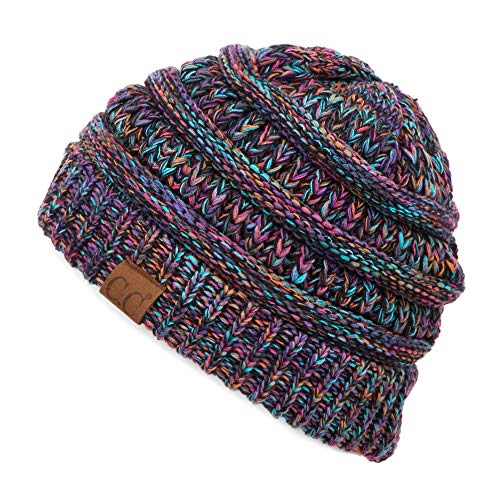
Fiber is worth a moment. Wool and cashmere hold shape and breathe; acrylic pills within a season and holds static, which on a beanie means hair standing up every time you take it off. A wool blend at even 30% behaves noticeably better than pure acrylic and the price difference is small at this end of the market.
How to wear it
- Short and fitted, sitting at the hairline. Not pulled to the eyebrows.
- Solid color on a heavy scarf — pattern competes with the coat across that much surface.
- Any wool content at all beats pure acrylic. Acrylic pills and makes your hair stand up.
Sources
This page reports what the fashion press published. We have not handled any of the products below. How we work.
- W Magazine — The 14 Biggest Accessory Trends From the Fall 2026 Runways (read Aug 14, 2026)