EnglishEspañol

The first cold morning, and the scarf you buy in a panic

It arrives on a Tuesday with no warning, you buy the first warm thing you see on the way to work, and you never wear it again. Here is the list that prevents that.

We have promised this one twice and not written it, so: the first genuinely cold morning of the year. It usually lands in the first fortnight of September, it is always a surprise even though it happens every year, and the response is nearly always the same — buying something warm at a station or a supermarket on the way to work, wearing it for a fortnight, and never choosing it again once there is a real alternative.

That panic purchase is not a moral failing, it is a supply problem. You needed the thing before you owned it. The whole point of a list like this is to move five small decisions to a week when you are warm and not late.

The usual note on evidence: this is not trend reporting. It is reasoning about how these materials behave in cold weather, which is a different kind of writing and does not borrow the authority of the trend pages. Where a number appears — a denier, a head measurement — it is a specification you can check on a listing, not an opinion.

The scarf, and why the panic one never survives

The scarf bought in a hurry is almost always acrylic, because acrylic is what is stocked where you buy things in a hurry. It is warm for about three weeks and then it pills, and a pilled scarf sits next to your face where you can see it, which is why it gets quietly retired rather than worn out. Wool or a merino blend costs more and does not do that. If you own one scarf, make it a large rectangle in a mid neutral — big enough to go twice round the neck, which is the only length that actually keeps wind out.

Read the full trend →

More on Amazon

As an Amazon Associate we earn from qualifying purchases. Prices shown were captured on the dates given and can change at any time.

Gloves: the two words that matter

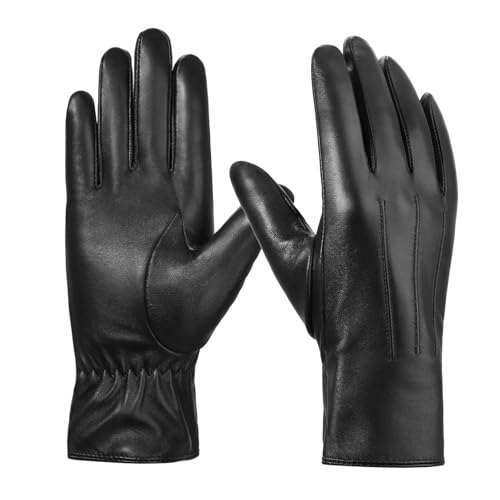
Unlined leather looks the way gloves look in photographs and is useless below about five degrees, which is exactly the morning you are buying them for. For real cold you want lined — cashmere or wool — and you accept that it will always look slightly bulkier. The second word is touchscreen: conductive thread in the fingertips costs almost nothing and is the difference between gloves you keep on and gloves you take off at every traffic light, and gloves taken off get lost.

Read the full trend →

More on Amazon

As an Amazon Associate we earn from qualifying purchases. Prices shown were captured on the dates given and can change at any time.

Tights, and the number nobody reads

Denier is on every packet and almost nobody uses it. Roughly: 15 is sheer and decorative, 40 is the everyday middle, 60 is genuinely warm and opaque, 100 and up is thermal. The first cold morning catches people in 15 denier because that is what was in the drawer from summer. Buying two pairs of 60 now costs very little and is the single most effective warmth-per-pound purchase on this list. Colour is the fun part and the coverage is full of it this season, but denier is the part that decides whether you are cold.

Read the full trend →

More on Amazon

As an Amazon Associate we earn from qualifying purchases. Prices shown were captured on the dates given and can change at any time.

A hat you will actually wear

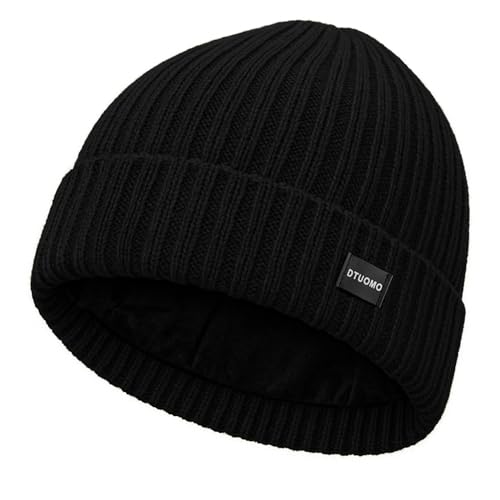
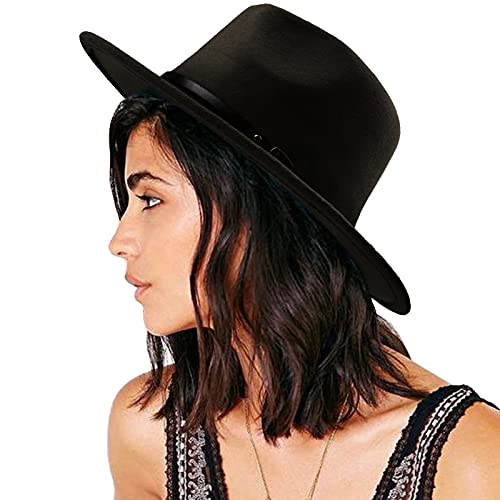
Most unworn hats were the wrong size, not the wrong style. Measure around your head just above the ears — most adult women land between 54 and 58 centimetres — and buy to that, because a hat slightly too big lifts off in wind and one slightly too small leaves a line across your forehead. For the first cold mornings specifically, a fine-gauge merino beanie does more than a chunky knit: it goes under a coat hood, it does not add visual bulk at the shoulders, and it fits in a pocket, which is the real test of whether you will carry it in September when the afternoon warms up again.

Read the full trend →

More on Amazon

As an Amazon Associate we earn from qualifying purchases. Prices shown were captured on the dates given and can change at any time.

The bag detail nobody thinks about until it is cold

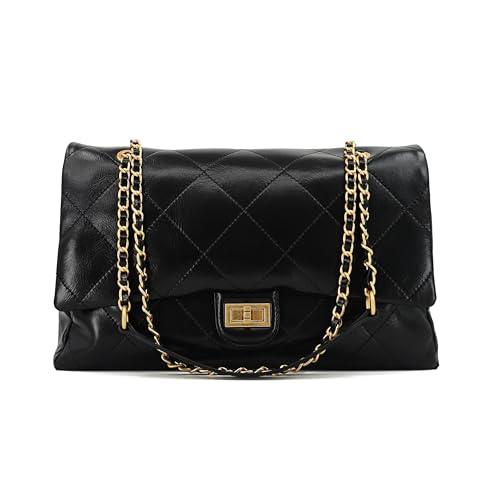
Here is the one that catches everybody. Once you are wearing gloves, a small zip pull becomes genuinely difficult, and a two-way zip on a cross-body is worse. A flap with a magnetic or turnlock closure opens with a gloved hand in one movement; a drawstring does not. It sounds like a very small thing and it is the reason people end up carrying their gloves rather than wearing them. If you are buying one bag for winter, buy the closure before you buy the shape.

Read the full trend →

More on Amazon

As an Amazon Associate we earn from qualifying purchases. Prices shown were captured on the dates given and can change at any time.

Next week: what the first proper rain does to suede, leather and everything else you just bought — and the three things worth waterproofing before October rather than after.