Presenting: dressing for a room that is looking at you
Unlike an interview, here you want to be remembered. The constraints are about movement and noise.
Built on: Whatever you would normally wear to work, one notch up.
Presenting is the inverse of interviewing. In an interview the accessories should stop generating information; when you are presenting, being visually memorable is doing part of the job, and the room is looking at you for twenty minutes whether you like it or not.
That argues for one distinctive thing, consistently worn. Speakers who are recognisable tend to have something — always red, always a particular silhouette, always big earrings — and it functions the way a logo does. It also makes getting dressed on a high-stakes morning a solved problem rather than a decision.
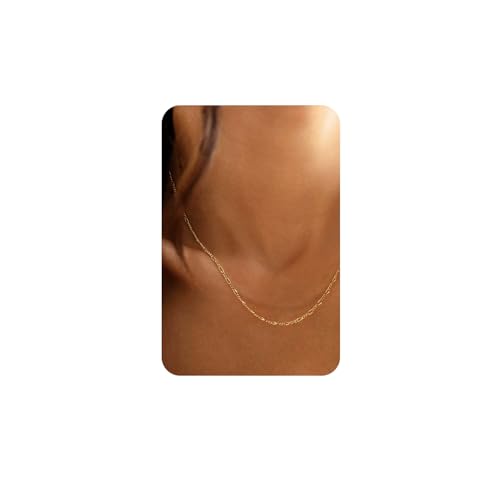
The physical constraints are specific and mostly about your hands and a microphone. Bangles against a lectern are amplified. A lapel mic picks up a necklace tapping against it, which is maddening to a room and inaudible to you. Anything on the wrist of your dominant hand will be in every gesture you make — which can be good, deliberately, but not by accident.
A cuff is the best piece for this. It is substantial enough to read from the back of a room, it sits still rather than sliding, it makes no noise, and on a gesturing arm it is genuinely striking. If you take one thing from this page, it is that a wide cuff beats a stack of bracelets in every respect that matters here.
Earrings should be visible in profile, since you will be turning to a screen. Studs vanish at that angle; something with a small drop does not.
Two things to check before you stand up: pockets, for a clicker or a mic pack, which a lot of women's tailoring does not have — and whether your outfit has anywhere to clip a battery pack, which is the detail nobody mentions until you are being fitted with one two minutes before.